We no longer own our thoughts.
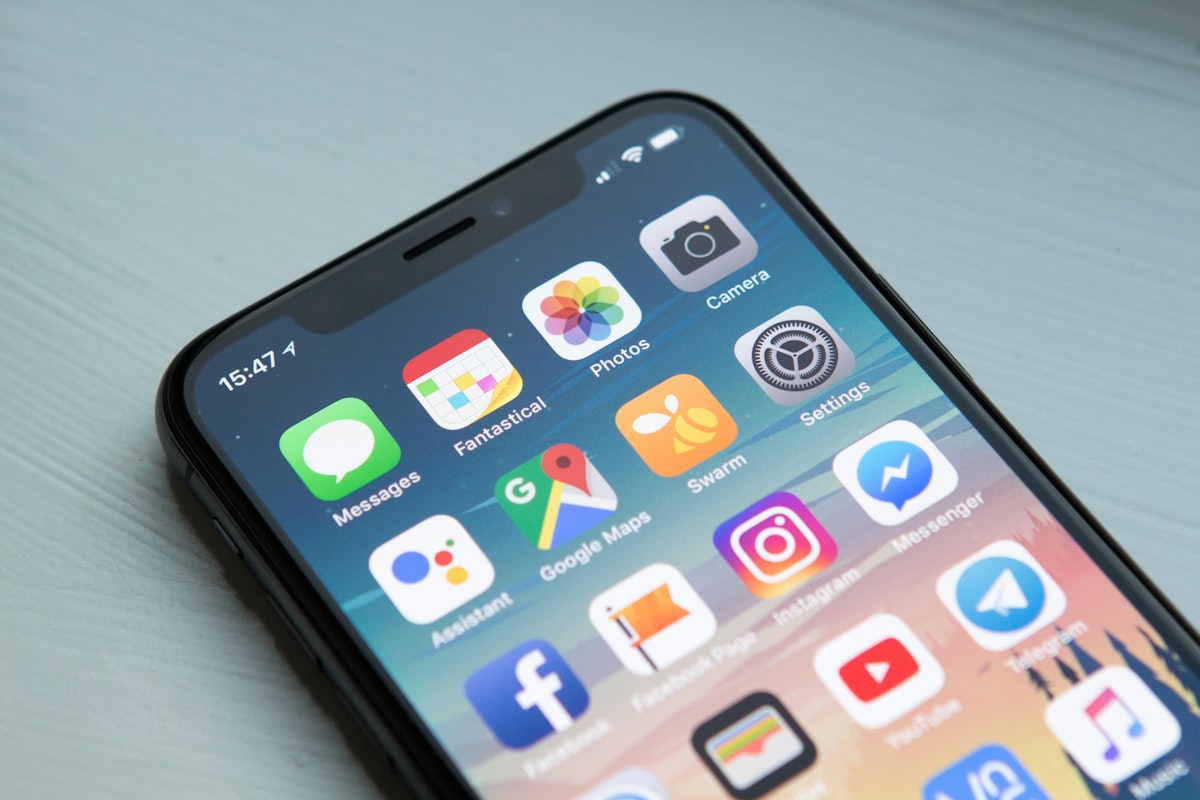
We like to believe we're the ones calling the shots. We convince ourselves we're the authors of our own lives, but the reality is quite the opposite. We don't just allow our brains to be hacked by lines of code; we welcome it into our pockets, invite the hacker into our lives.
Think about it. How many times have you told yourself you'll 'lock in' and study or work, get sent a notification, and before you realise, you've been scrolling for an hour instead? You call it a bad habit. You think it's just a 'distraction'. But do you really know what's behind that screen?
Every 'choice' you made today — from the clothes you want to the opinions you hold — was likely fed to you by a trillion-dollar algorithm. The Algorithm of Us. We've heard about filter bubbles and echo chambers, but the real issue isn't that we're 'distracted' — it's that we are no longer in control.
Mental sovereignty — the right to control your own mind — is dead. The slow deterioration of self-identity and control, and the inability to think for ourselves, is the most significant issue our generation faces.
The loss of control isn't a side effect; it's the purpose of the business. As the experts in The Social Dilemma stated: "If you're not paying for the product, you are the product." But the product isn't just our data. It is our attention. It's making their interests ours — for their own personal gain. It is the gradual, unnoticeable change in our own behaviour and perception.
The real question is, how do they do it? Simple. All the data they collect allows them to create a 'Digital Twin' of you. It's not just a folder; it's a live control room. Imagine a little database of your digital footprint. Three people sitting in that control room represent three AI goals: the engagement manager, the growth manager, and the advertising manager. They don't care about you or what you like. They are programmed to want for themselves. One is determined to keep you online at all costs; the other hunts for ways to convince you to invite your friends; the third is selling your attention to their highest bidder, manipulating your views and actions. This isn't a 'tool' you're using. It's a three-man team dedicated to overtaking your control. You're fighting an impossible battle. It is the never-resting AI versus the human brain, and it always wins.
Not only does it interrupt your sleep and steal your time, but while you endlessly scroll, it influences your opinions and identity. You scroll past 'perfect lives' and the 'best opinions', slowly suffocating your own voice. Yet we desperately cling to the delusion that we have a say in what we do and who we are. But in reality, our freedom of thought and self-identity are dying.
Human nature is to be impressionable, but technology has taken advantage of it. We're so easily manipulated or 'peer-pressured', yet we say we like being in control. So why do we hand over our control to technology? The algorithm starts with a normal video, which slowly becomes more extreme and engaging, dragging you into a rabbit hole that constantly shows you the same thing. It creates a confirmation bias, nudging our views and convincing us that what we see is true, simply because we see it all the time. Our opinions are controlled by our 'For You' pages; our political sides are influenced by feeds. A staggering 64% of the people who joined extremist groups did so because the algorithms steered them there. We are exposed to so much more in such short bursts that our brains are now funnels; we used to see the world, but now we see the narrow vision from these short videos that the three-man team provides us with. Consciously or subconsciously, we are being overtaken.
This narrow vision is a cage. But we see it as an escape from the boredom that we can no longer stomach. That's why we've lost the ability to think for ourselves — because we can't stay bored for more than five minutes without reaching for a screen. But boredom is where we find ourselves; it is where we innovate. If everyone is fed the same narrow vision, where do new ideas come from? We are becoming a "copy-paste" society. We are meant to run the world one day, but what will become of us? We have become slaves to convenience. We are so addicted to the instant hit of a 'For You' page that we've let our curiosity fade. We claim to be 'stubborn', but we're the easiest targets in the room. Not only do we allow technology to weaponise our vulnerabilities, but to exploit and erase our strengths: creativity and innovation. We look up to the innovators of the past, but those people didn't grow up being manipulated by a three-man team. They allowed themselves to be bored. They allowed themselves to discover. If we don't reclaim that space, who will we become? Will we be remembered as the generation of mindless humans who simply stopped developing? Will we be the end of human progress?
We consider technology a 'tool'. But what kind of tool tells us what to think? A hammer doesn't influence what you build.
I'm not saying we should rid ourselves of technology completely — we've seen that bans don't work. I am saying we need to stop being puppets. Puppets of the algorithm. Life is a rigged game, and the only way to beat it is to refuse to be played. We need to fight for our freedom of thought — just like we persistently advocate for our freedom of speech. It's up to us to fight for ourselves. Tonight, set a time limit on your scrolling, or when you see a notification while studying, wait another twenty minutes before checking. Prove that you have control.
Silence the notifications. Disrupt the patterns. Reclaim our silence. Right now, we are allowing the robots to make us mindless. The hacker isn't just in your pocket anymore; he is behind your eyes. The question is: are you going to let him stay there?